
Starting Photography on a Budget – This Is What I'd Buy
You don't need to spend thousands to take great photos. Here's exactly what I'd spend my money on if I was starting from scratch today.
Seven years ago I picked up my first camera. I was excited, overwhelmed, and spending way too much time worrying about gear. Here's what I've learned: the camera doesn't make you a better photographer. As long as it shoots RAW, has a manual mode, and takes interchangeable lenses – that's all you need. What matters is how much time you put in.
Camera Body
Go mirrorless. In 2026 it's not even a debate – better autofocus, smaller bodies, real-time exposure preview. I started on a DSLR because it was cheaper. That's no longer the case.
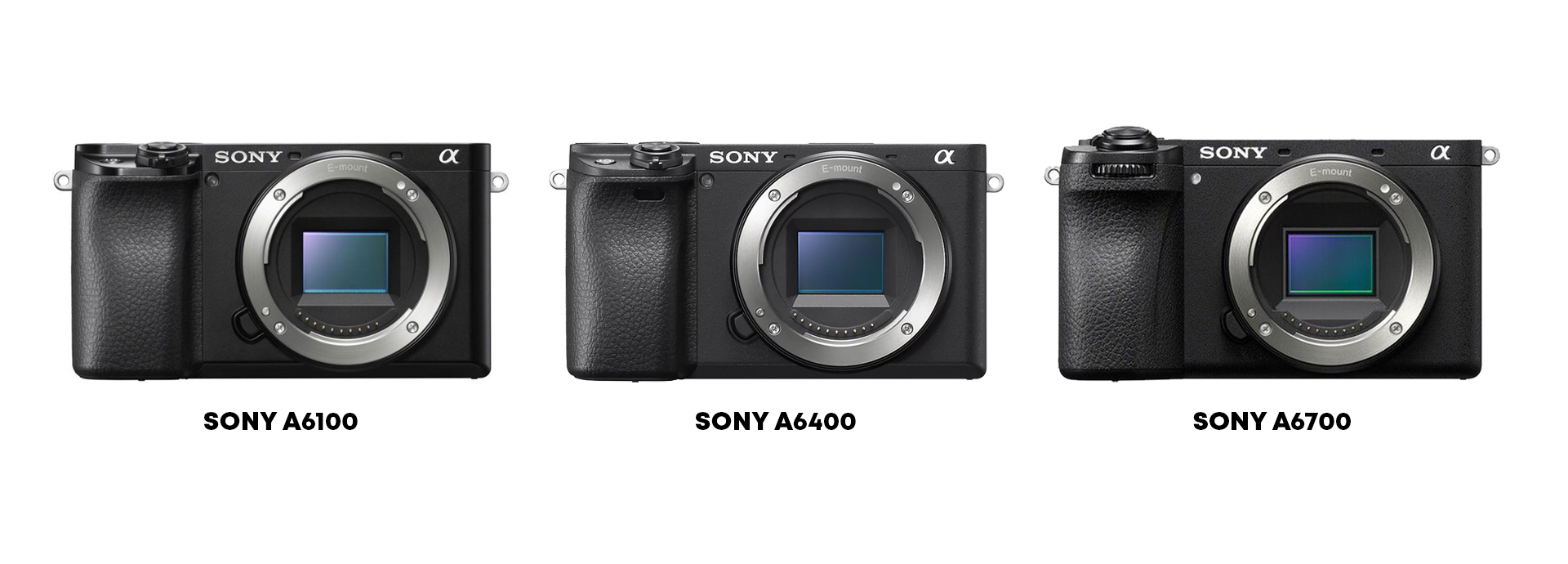
Budget option: Sony A6100 or A6400
Both cameras share the same core specs:
- 24.2MP APS-C sensor
- 4K up to 30fps, 1080p up to 120fps
- 3-inch tilting screen
- Near-identical size and battery life
The A6400 adds log video and slightly better low-light performance. If video matters to you, it's worth the extra £150. The A6100 sits at around £450–500; the A6400 at £600–650.
Step-up option: Sony A6700
This is a noticeably better camera. Key upgrades:
- 26MP sensor
- AI autofocus with subject recognition (humans, animals, birds)
- Fully articulating screen
- 5-axis in-body stabilisation
- Higher resolution video with better colour grading
Around £950–1,000 second-hand. If your budget can stretch here, it's worth it.
A few things to keep in mind
Autofocus matters more than megapixels. 24MP and above is more than enough. Buy second-hand from MPB, eBay, or Facebook Marketplace – but check for physical damage, test all functions, and keep an eye on shutter count. Under 100,000 is the target. And don't overspend on the body. A better lens will make more of a difference.
Camera Lens
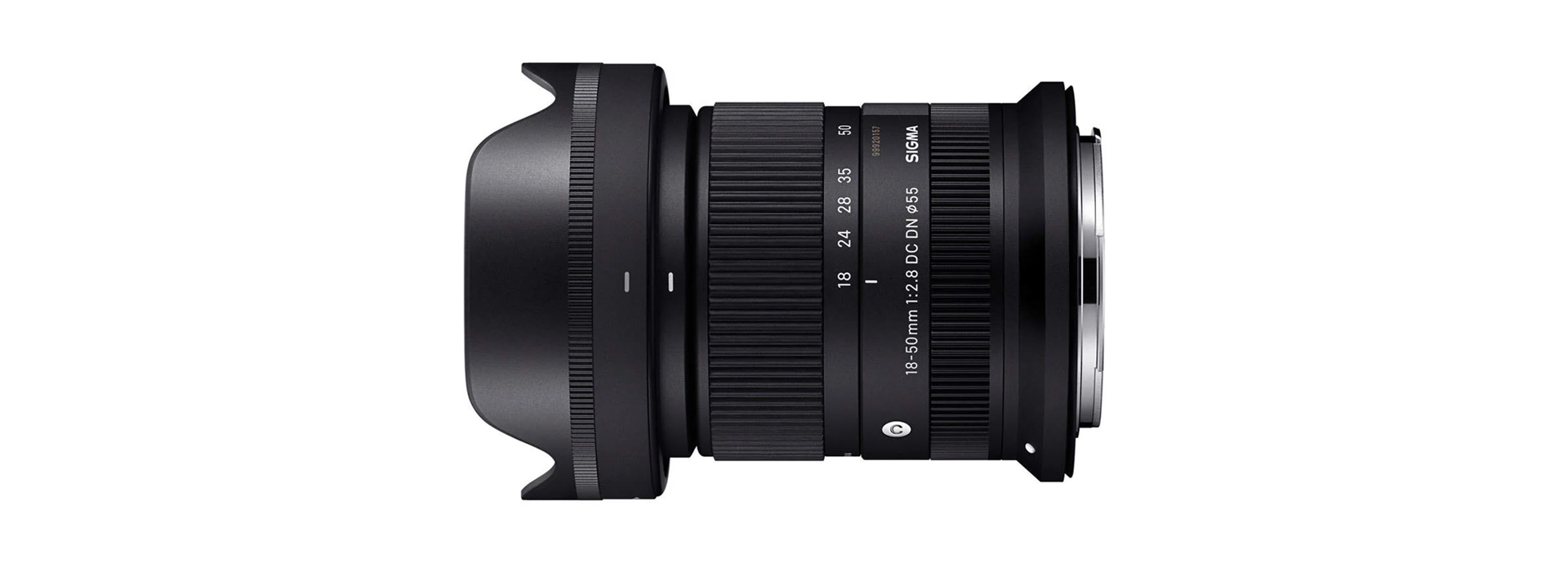
The lens I'd go for: Sigma 18-50mm F/2.8.
Constant F/2.8 across the entire zoom range. That means consistent shallow depth of field and solid low-light performance regardless of focal length – something kit lenses can't offer.
On an APS-C body the equivalent range is 27–75mm, which covers pretty much everything: wide cityscapes, tight portraits, street photography. One lens, a huge range of situations.
It's also compact and light, which matters more than people think. Image quality is genuinely at a professional level. Pick one up for £350–400.
Camera Bag
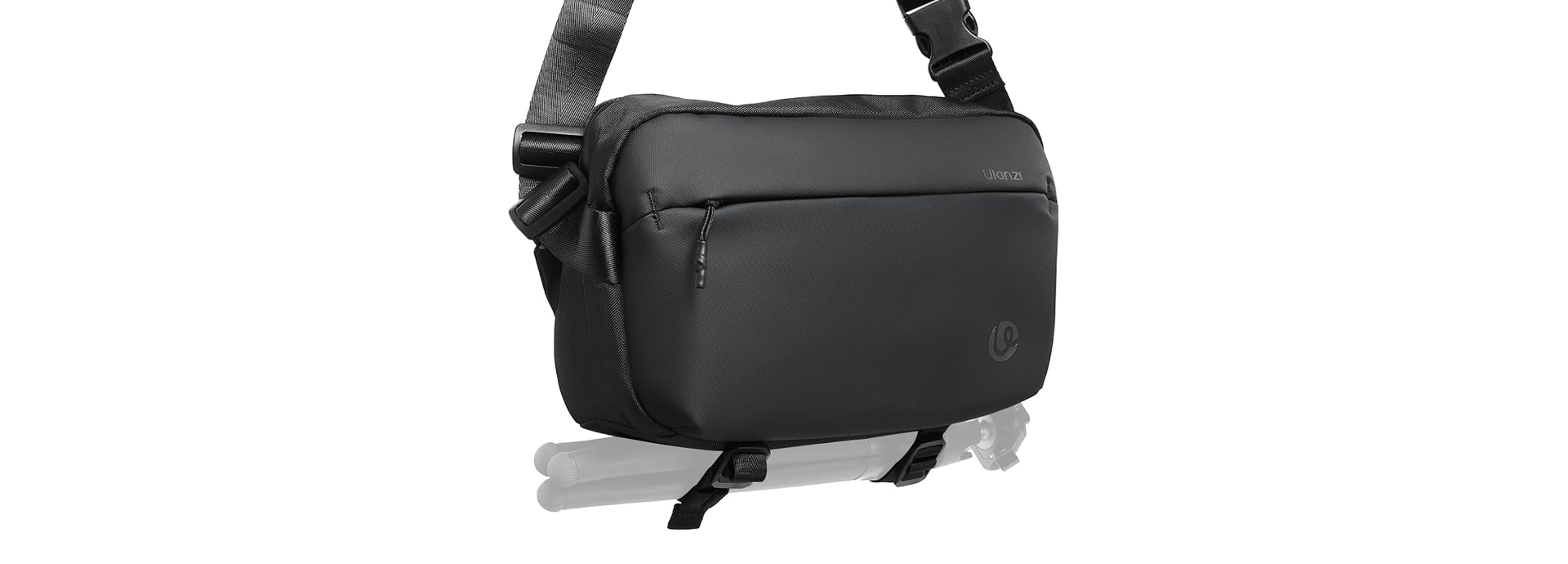
Every setup needs something to carry it in, and I'd always recommend a sling over a backpack. With a backpack you're stopping, taking it off, putting it on the floor, getting the camera out – and by then the moment's gone. A sling swings round to the front in seconds. You never miss a shot.
It's something I wish I'd started using years ago. Having recently made the switch, it's been a genuine game changer.
The Ulanzi camera sling is the one I'd go for at this price point. 11L capacity, water-resistant shell, built-in tripod holder, and enough room for a mirrorless body, a couple of lenses, and all your small accessories. Solid value.
SD Card
Don't cheap out here. I once lost an entire day's worth of shooting in London to a corrupted card. Lesson learned.
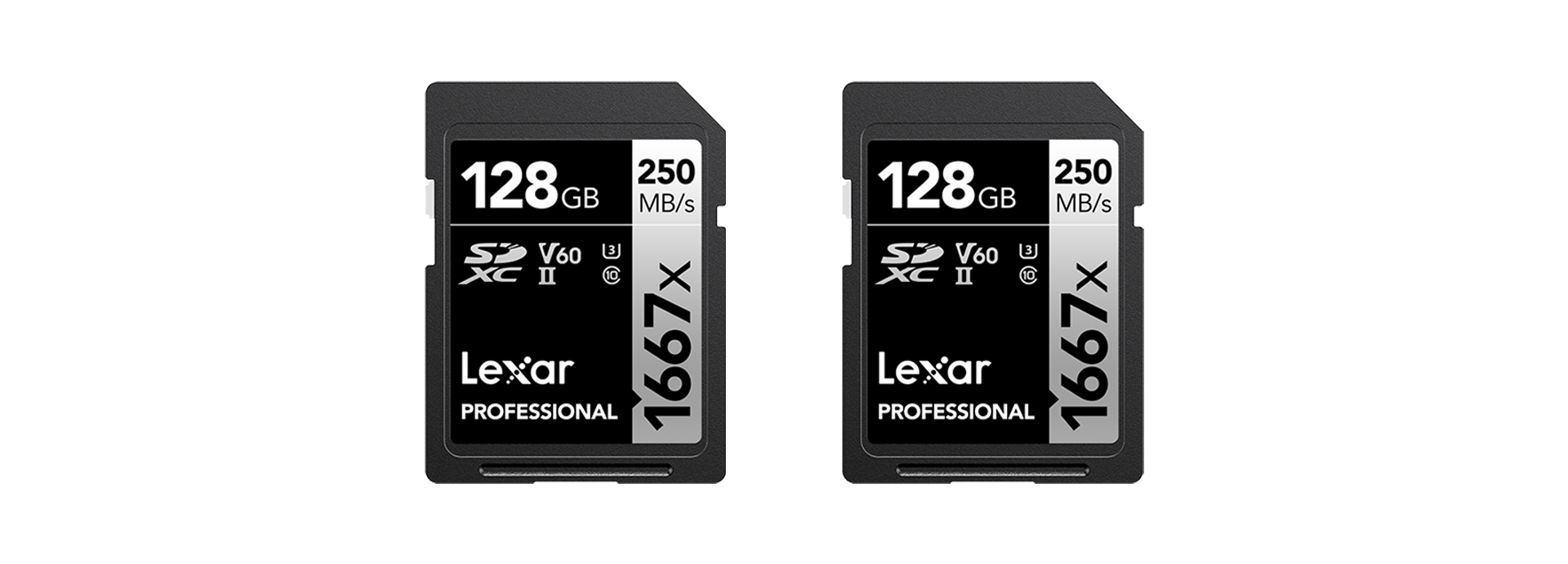
The cards I use are Lexar 128GB. On this setup you can expect:
- 2,000–3,000 RAW files
- Up to 10,000 JPEGs
- Around 2–3 hours of 4K footage
More than enough for a full day out. The price difference between a decent card and a bad one is small. The cost of losing a shoot isn't.
Batteries and Charging Dock
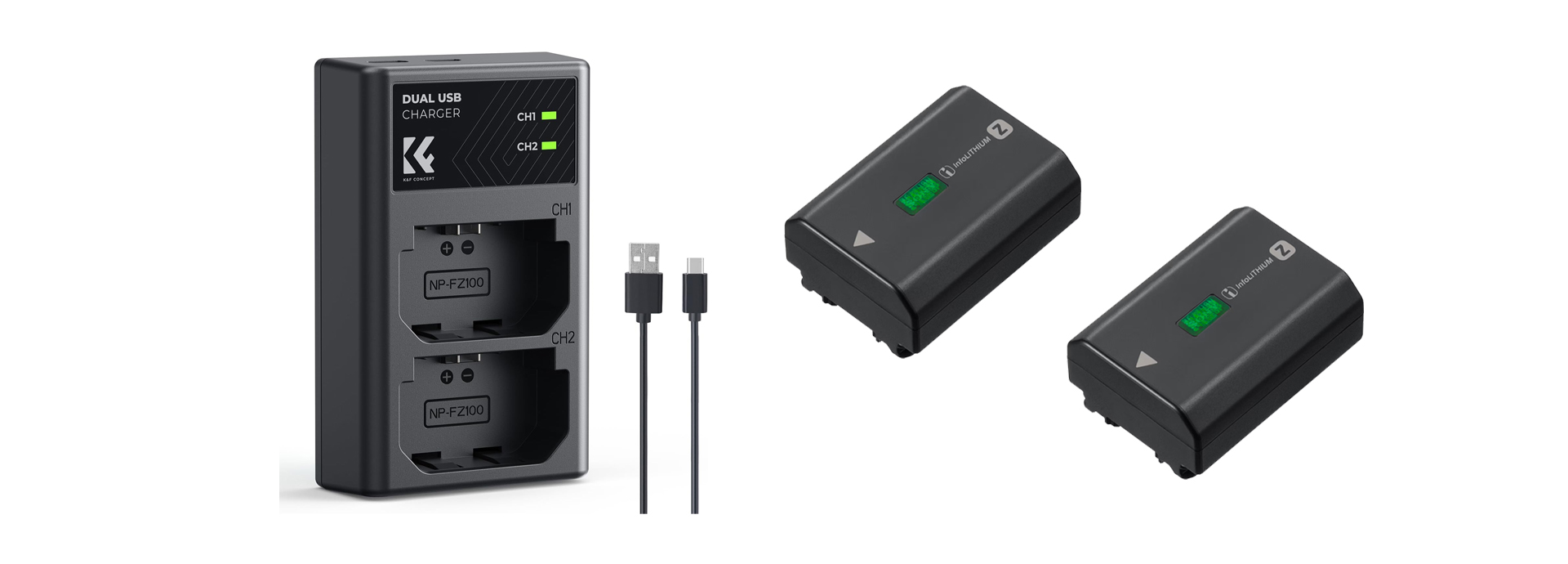
Always carry at least one spare Sony battery. Running out mid-shoot is completely avoidable.
I use a dual charging dock so I can charge two batteries at once and always have one ready. More than enough to keep you covered across a full day out.
The Bottom Line
Once the gear is sorted, everything comes down to shooting. The photographers who improve fastest aren't the ones with the best cameras – they're the ones who are out using them. Start simple, learn the fundamentals, and let your results drive the upgrades.
If you're already further along and looking to refine your carry, take a look at my minimal photography everyday carry for how the setup evolves over time.